
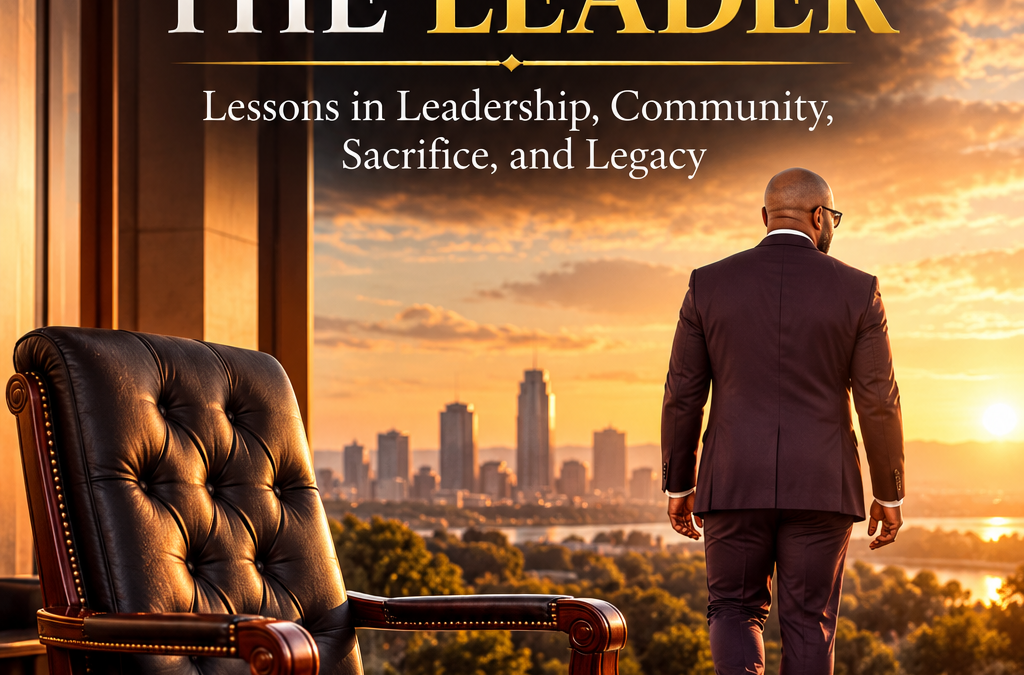
Leadership is not measured only by what happens while we are in charge, but by what continues when we are no longer there.
The question that remains
A leader may be admired, celebrated, and remembered. Yet admiration alone cannot tell us whether that leadership succeeded. The more demanding question is what happens when the leader steps aside. Do people still know what to do? Can the organization make decisions without waiting for one familiar voice? Does the work continue?
Build people, not dependence
It is tempting to measure leadership by the number of people who turn to us for answers. But an organization that depends on one person for every answer is vulnerable. Responsible leadership shares knowledge, documents decisions, develops successors, and creates room for others to lead. This is not a surrender of authority. It is an investment in continuity.
Institutions are a form of service
A community initiative needs more than enthusiasm. It needs trustworthy systems: transparent finances, clear responsibilities, a process for resolving disagreements, and a shared understanding of its purpose. These structures may be less exciting than a successful event or a powerful speech, but they are what allow good work to survive changes in leadership.
The courage to let others grow
A leader who genuinely believes in service must accept that others may take the work in new directions. That can be uncomfortable. It requires distinguishing between the mission and our personal preferences. The goal is not to create a permanent monument to ourselves; it is to leave something useful enough for others to improve.
A different measure of success
We should celebrate leaders not only for the projects they launch but also for the people they prepare, the trust they establish, and the opportunities they leave behind. The most meaningful legacy is not the number of times our names are mentioned. It is the good that continues without us. The work must be bigger than the person who began it.